West Cork Palaeoecology

The Environment of West Cork through Time

  • admin@westcorkpalaeo.com
  • +353 (0)83 0744708

West Cork Palaeoecology

The Environment of West Cork through Time

Visit the Blogsite at westcorkpalaeo.ie (new tab)

Search WestCorkPalaeo.com: results will display in a new tab:
 
  • admin@westcorkpalaeo.com
  • +353 (0)83 0744708
  • Welcome
    • Palaeoecology in West Cork
    • What Palaeoecology Is
    • Site Map
  • Palaeoecology of West Cork
    • Palaeoecological Environments
    • Biodiversity
    • Ecology and Ecosystems
    • Soils and Soil Sampling
    • Ireland's Flora
    • Palaeoecological Proxies
  • Humans In Ireland
    • Humans In Ireland
    • Anthropic Principle
    • Anthropogenic Indicators
    • Plants in Human Culture
    • Ringforts
  • Sites in West Cork
    • Sites in West Cork
    • Three Lakes (bog and lake)
    • Glandart Lake
    • Ballin Lough (bog and lake)
    • Driminidy Lough (bog and lake)
    • Rearahinagh (agricultural soil)
    • IQUA Field Trip (glacial features)
    • Ruagagh Valley (glacial features)
    • Other Sites to be Added
  • In The Lab
    • In The Lab
    • Light Microscopes
    • Pollen and Spore Preparation
    • Radiocarbon Dating
    • Timescales
    • Map Creation
  • Blog
    • Blog
  • About
    • Contact
    • About Us
    • Version - P1.07.2022
    • FAQ

Juniperus - Juniper

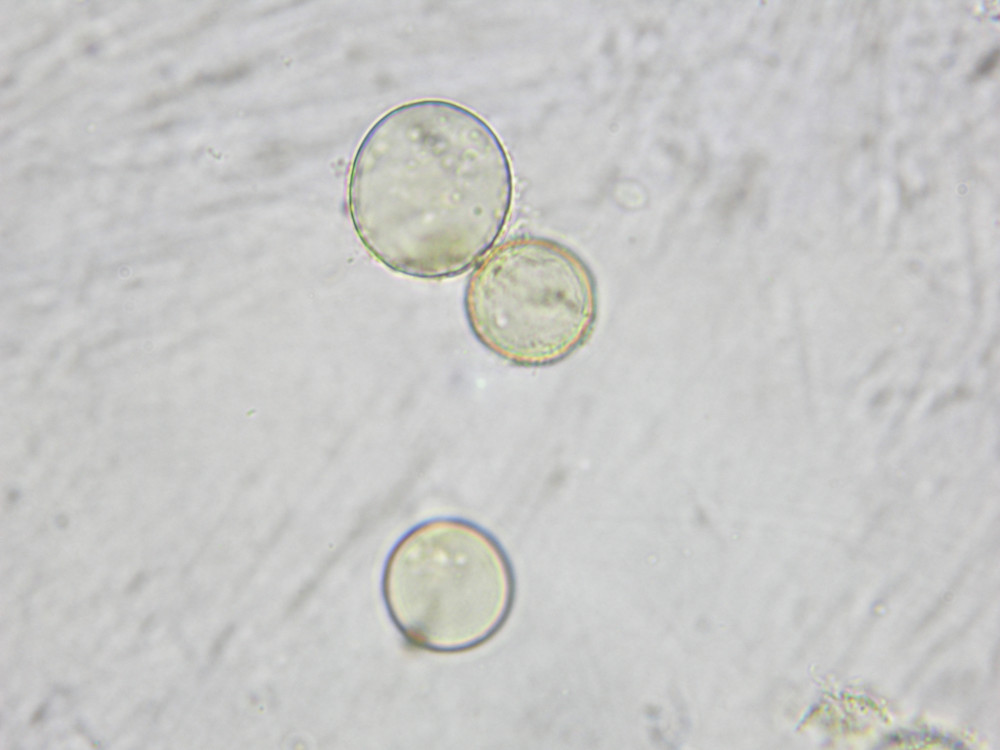
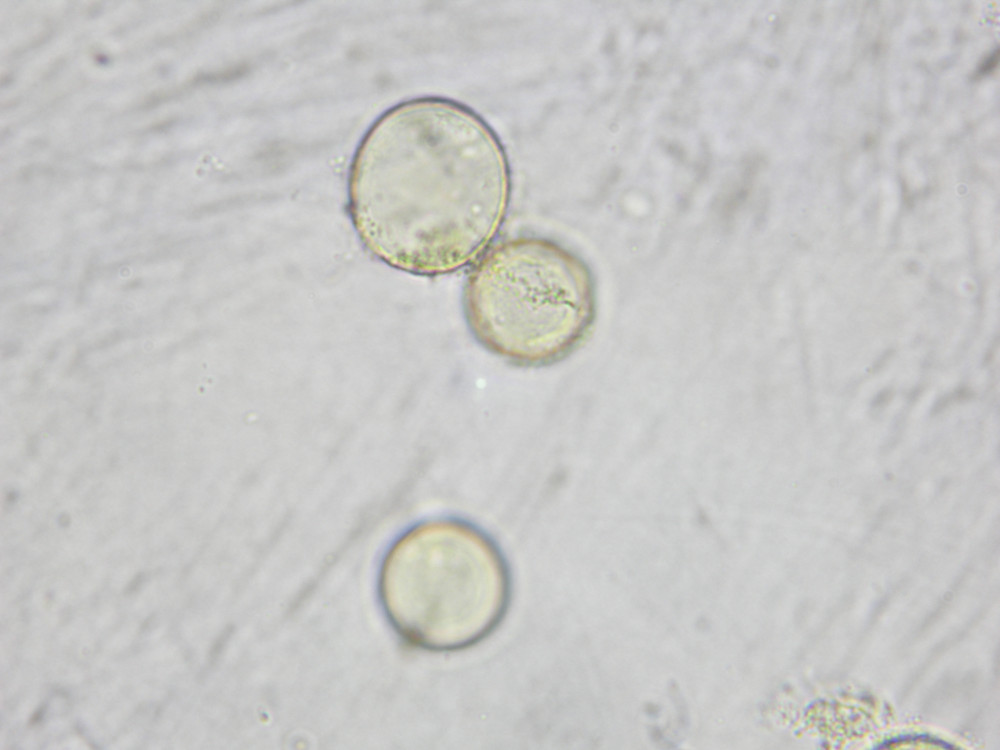
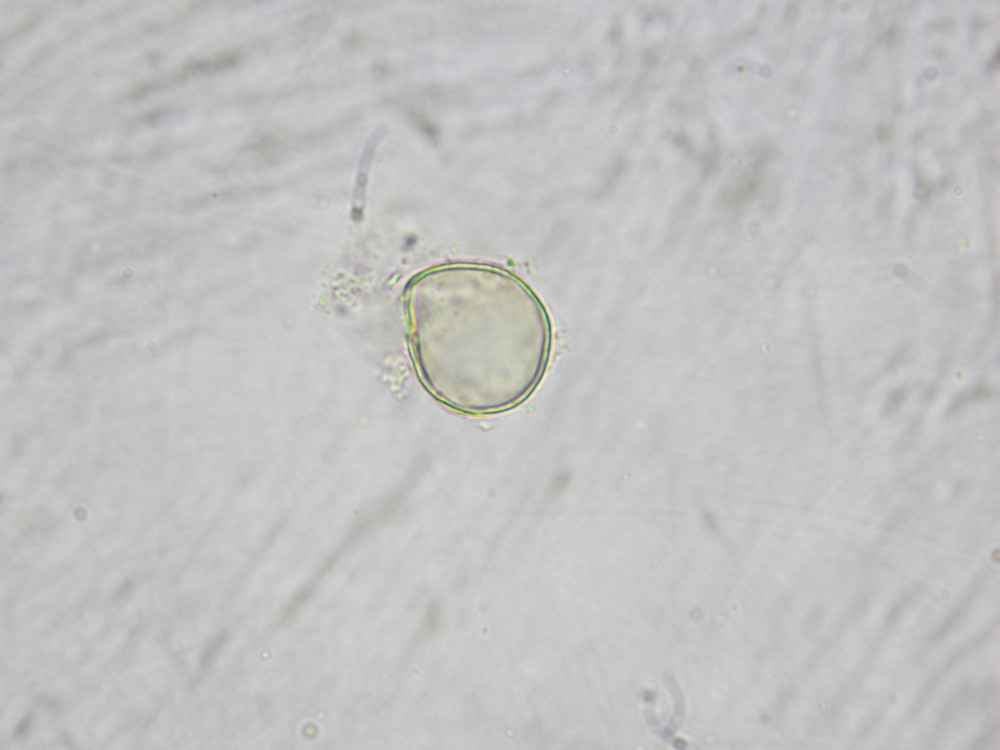
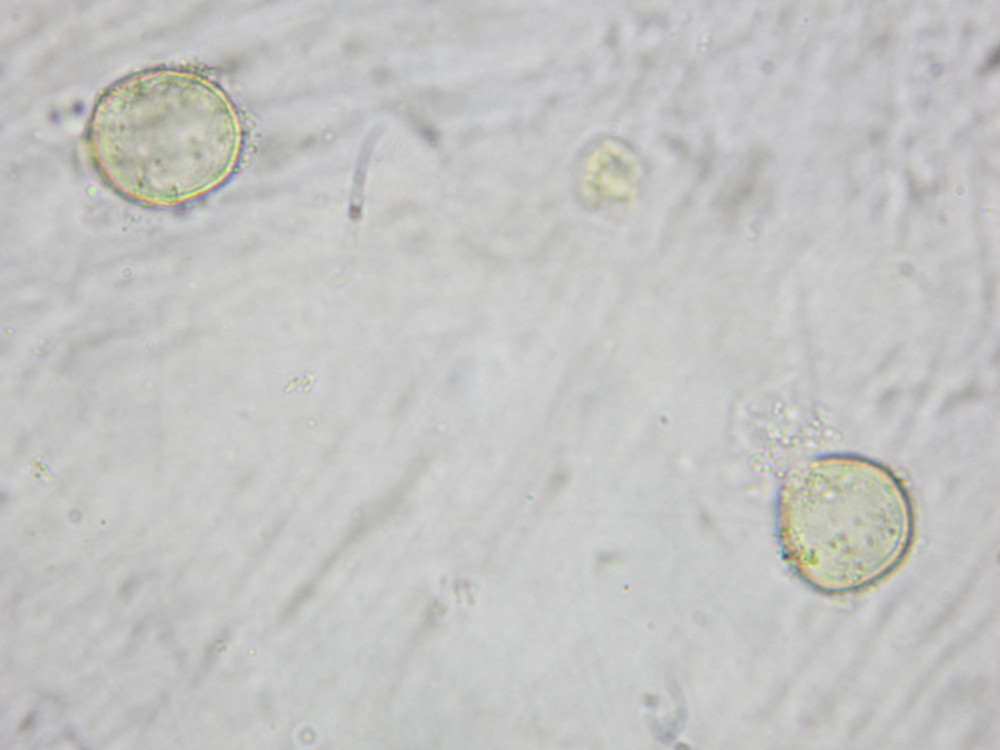
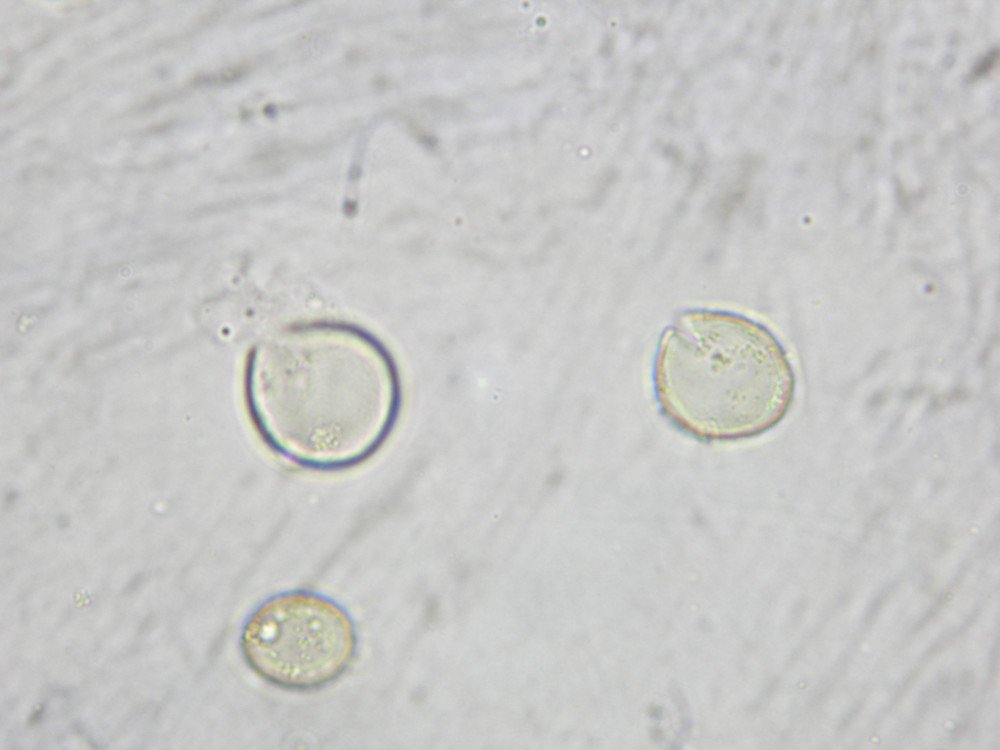
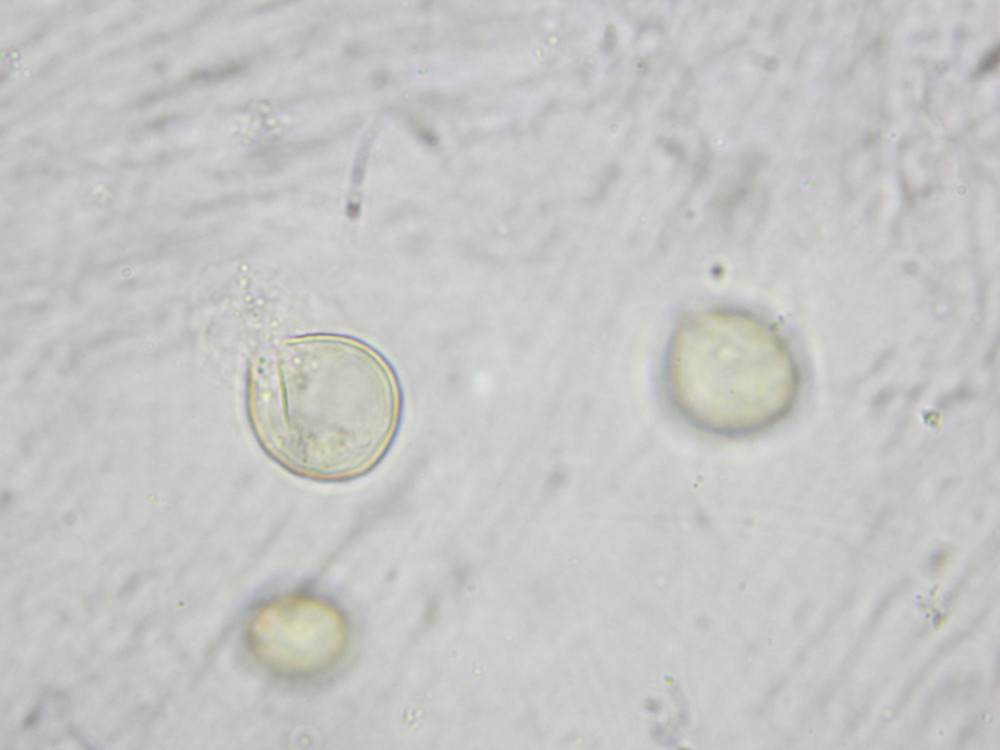
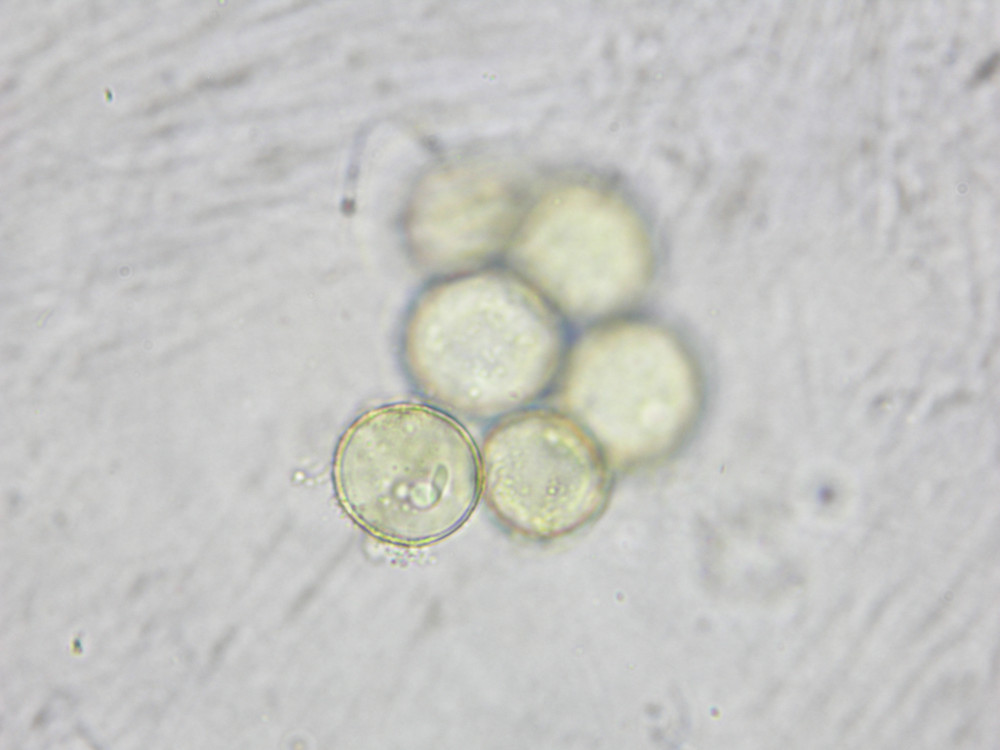
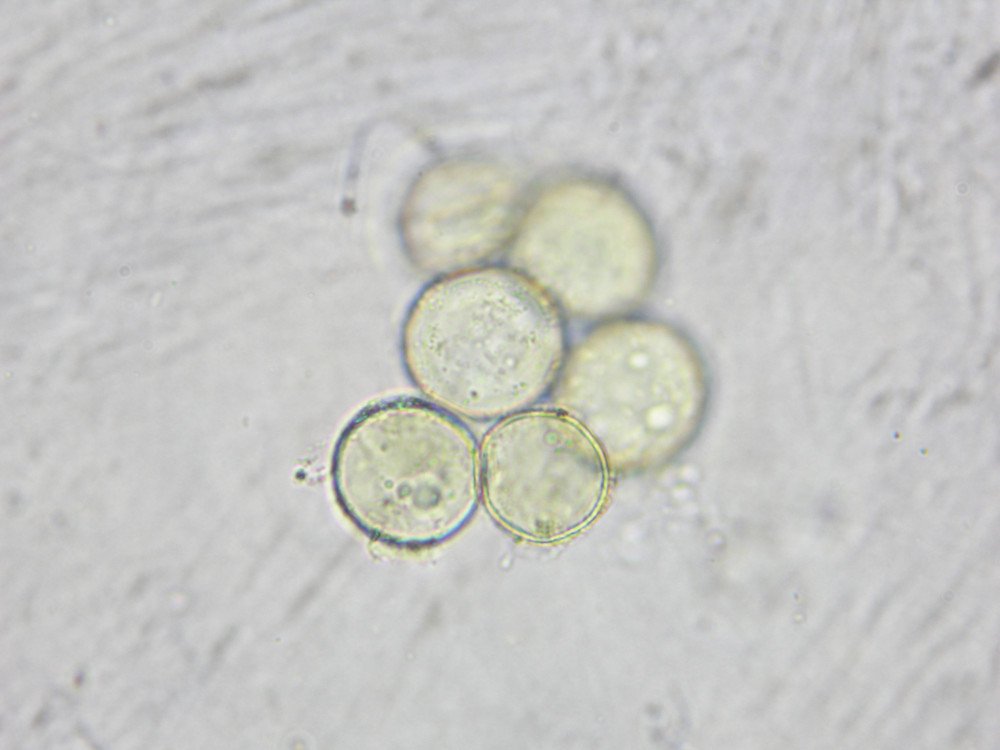
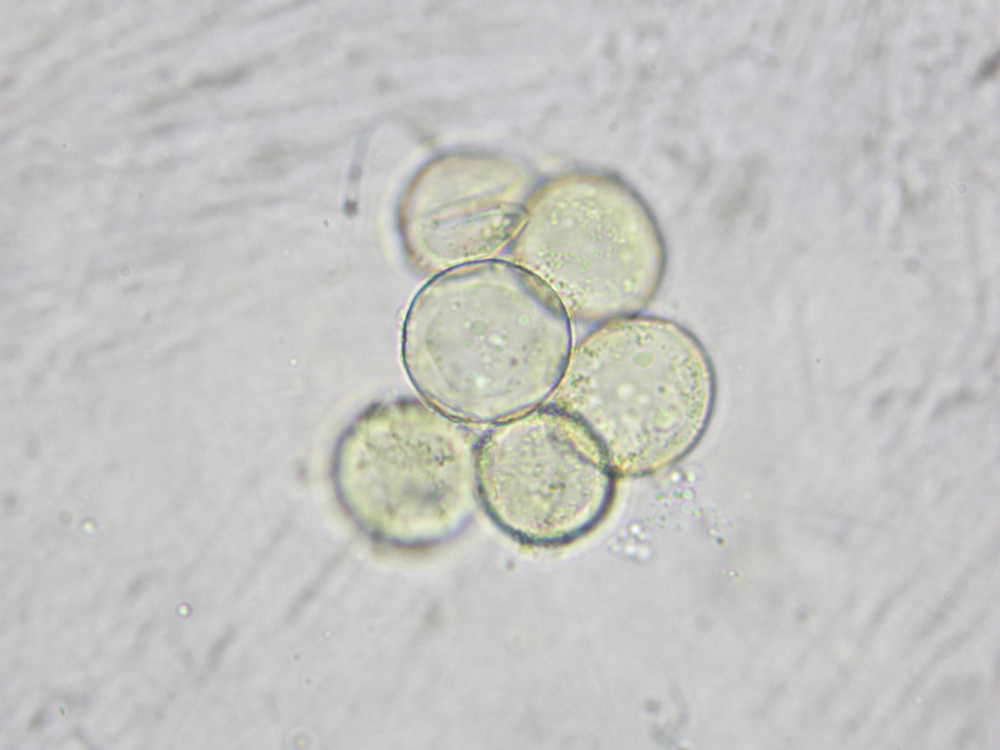
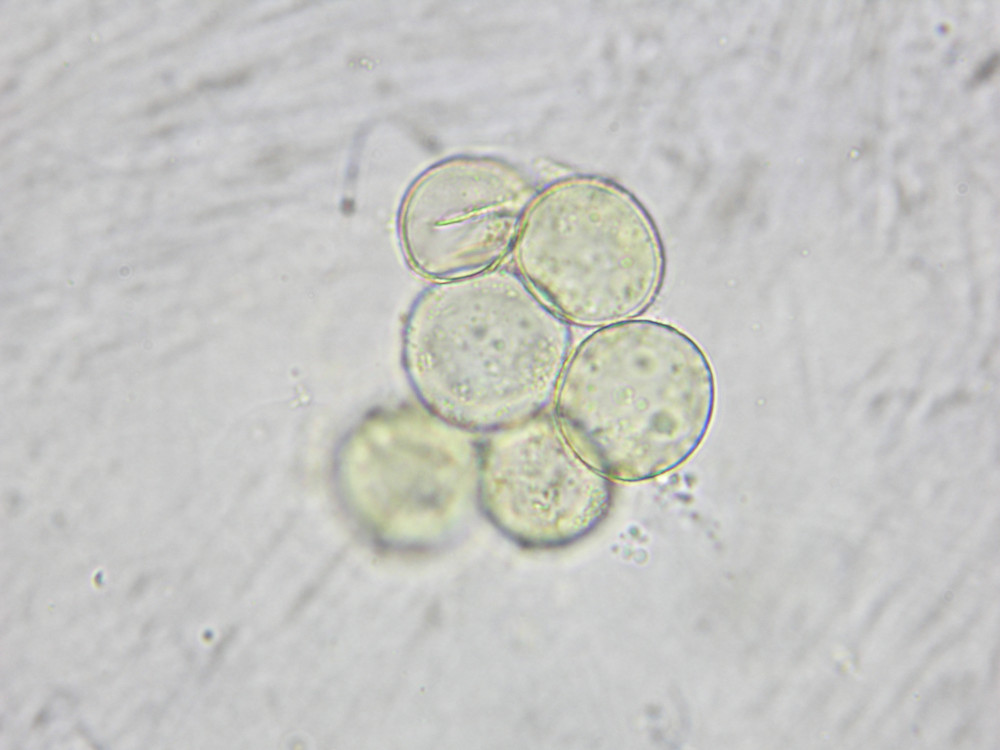
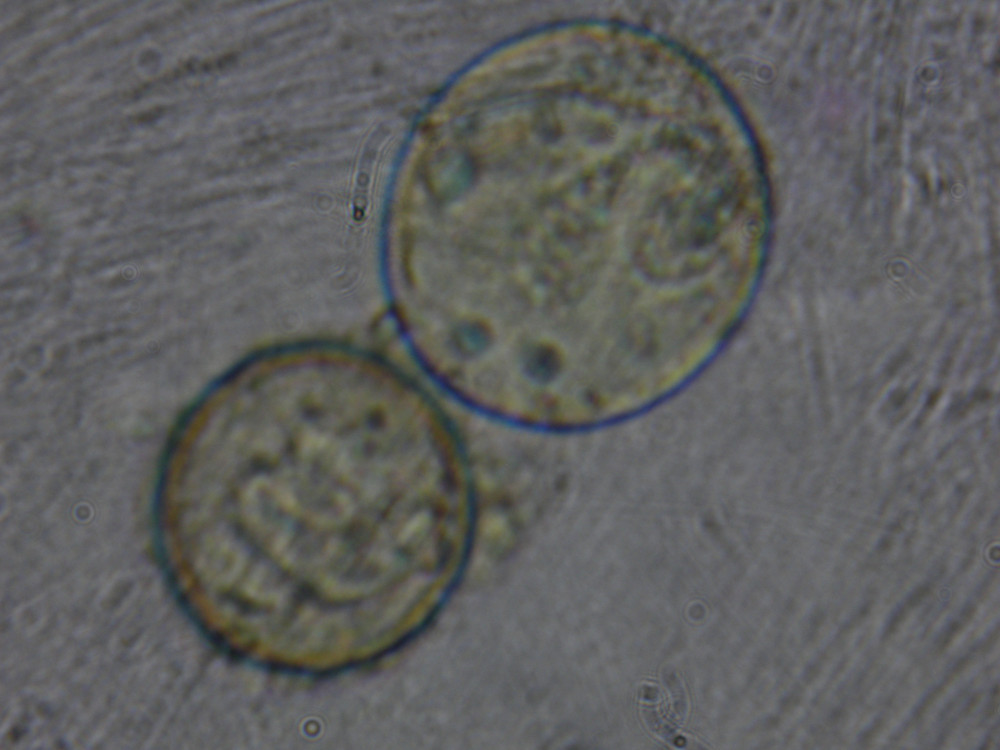
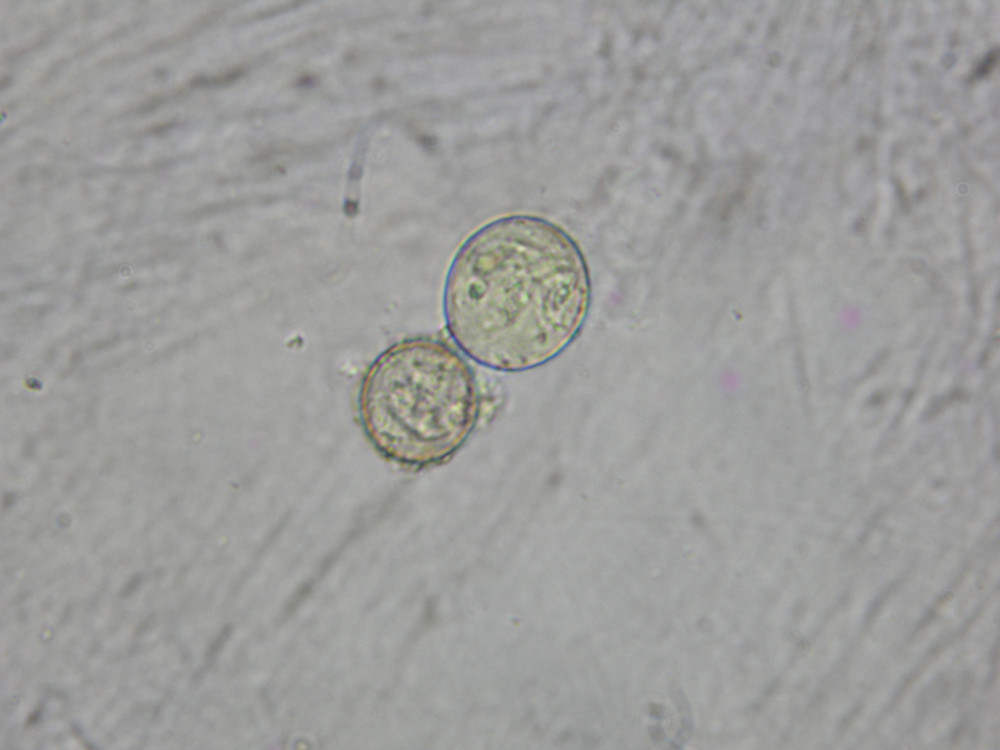
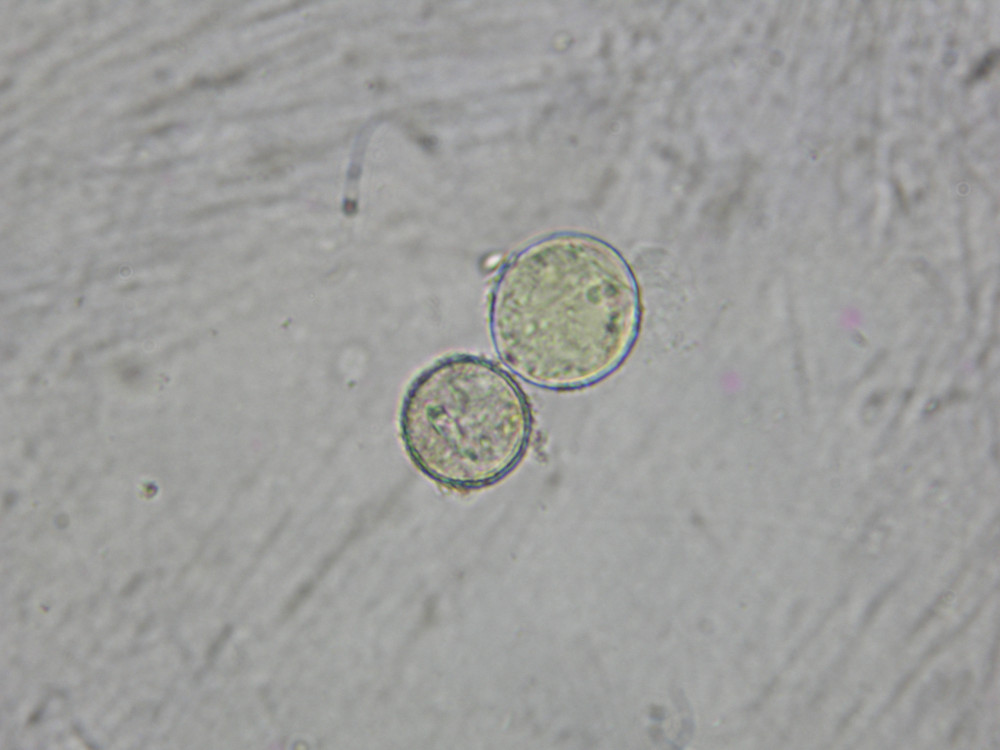
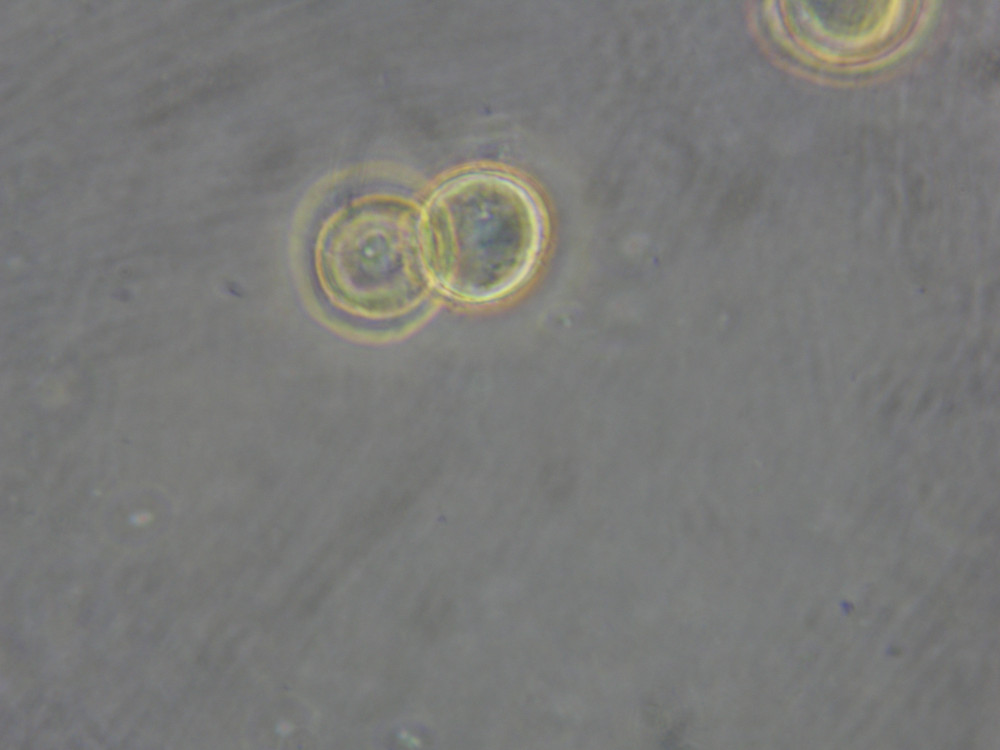
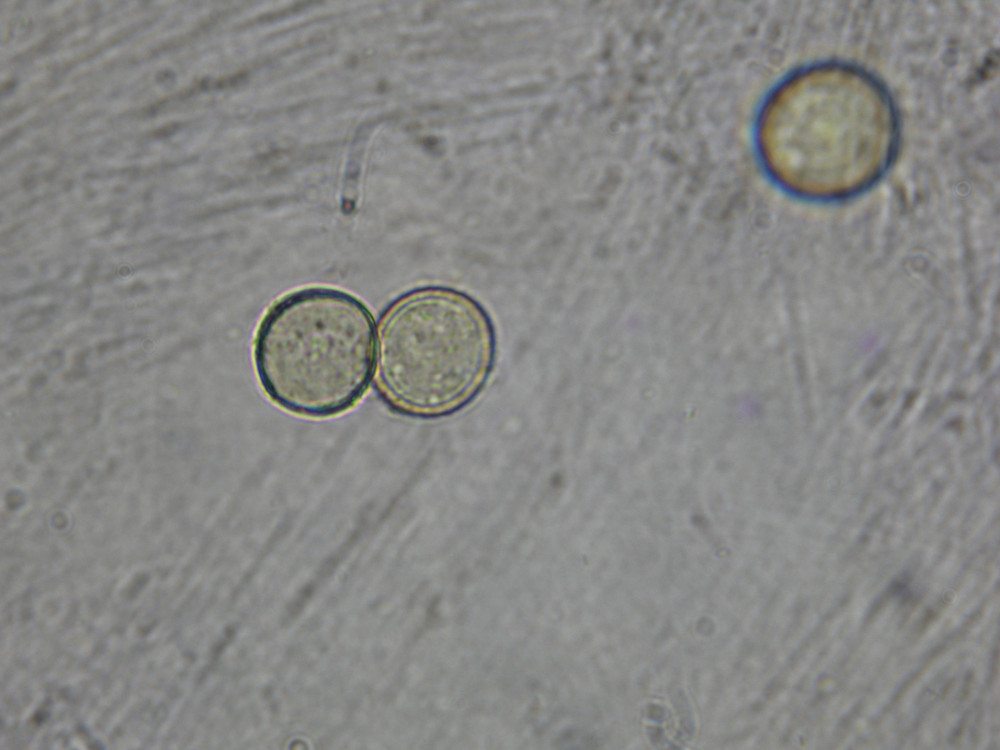
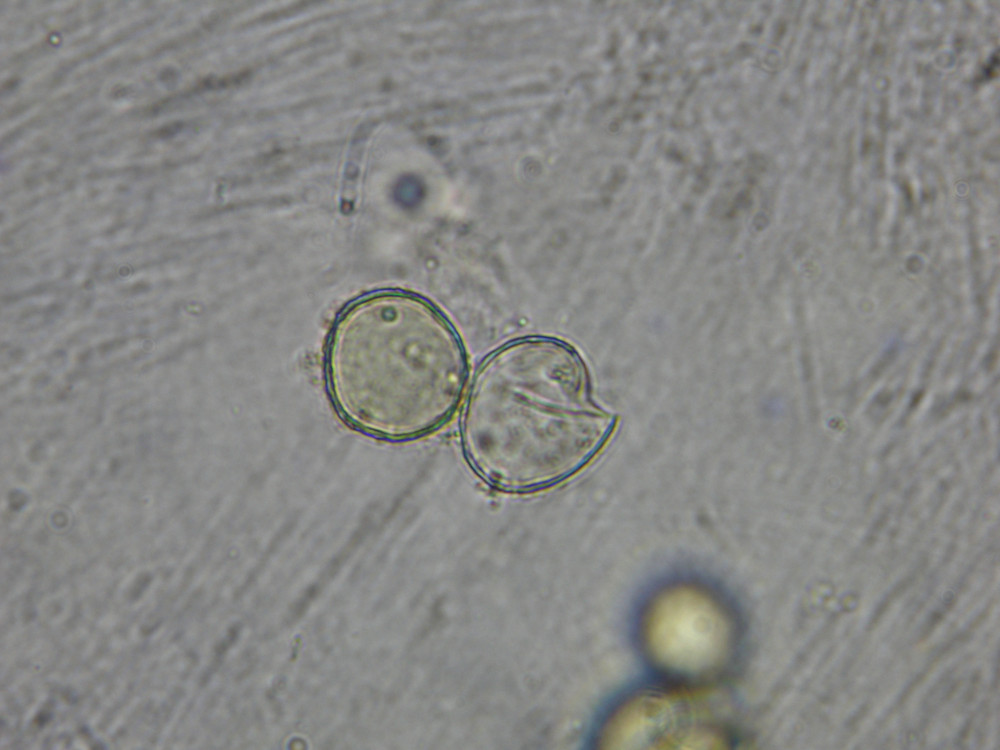
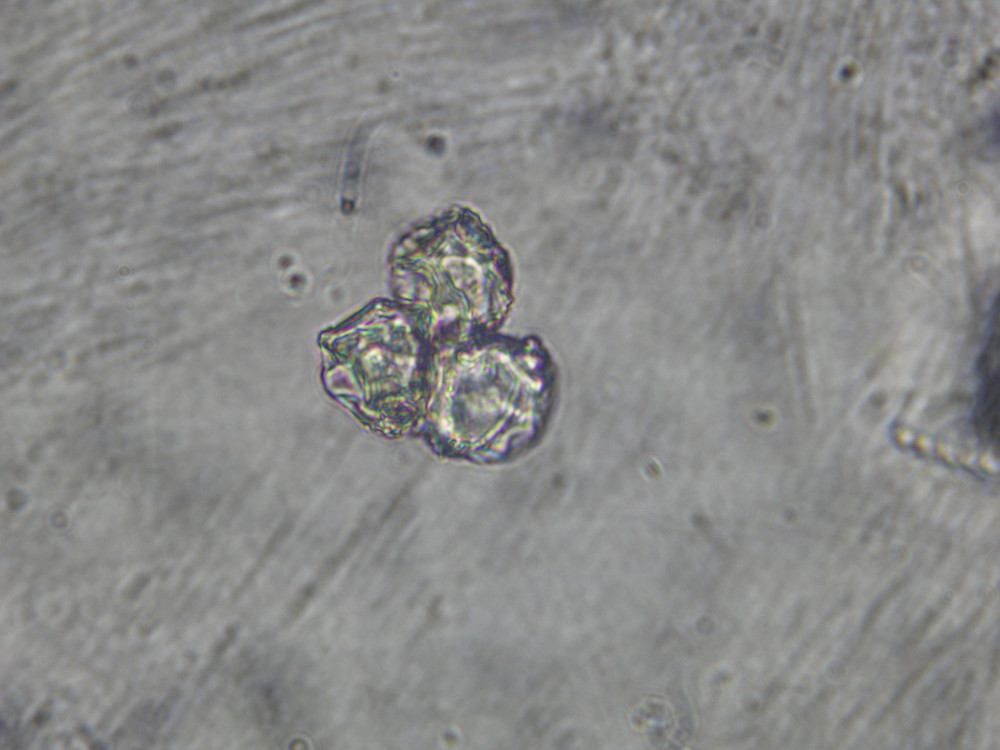
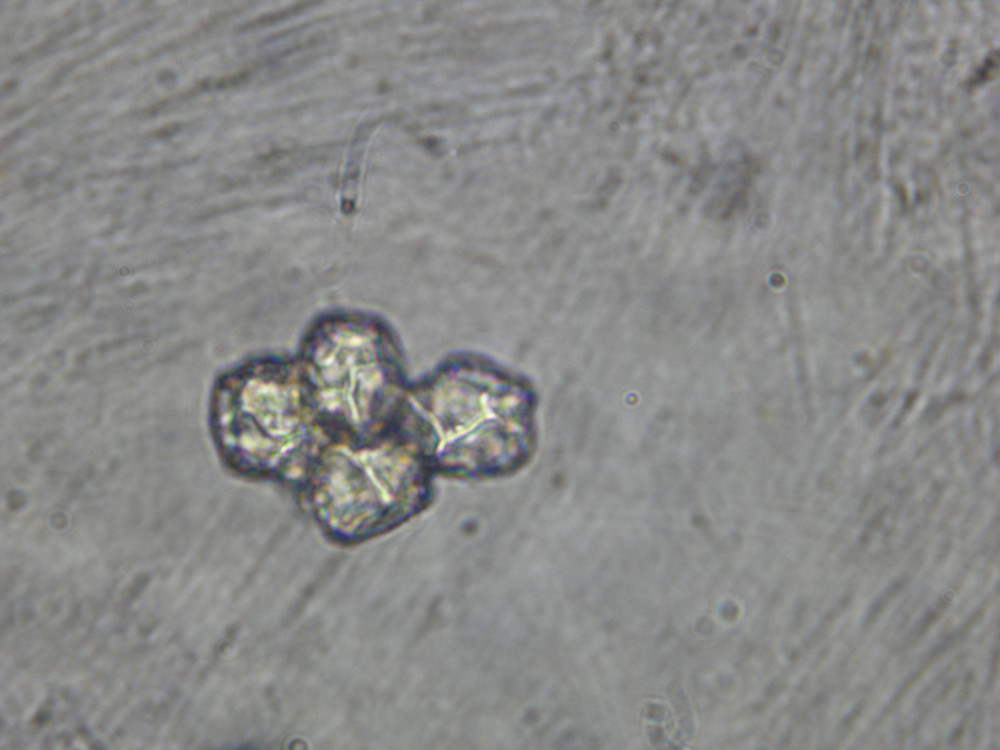
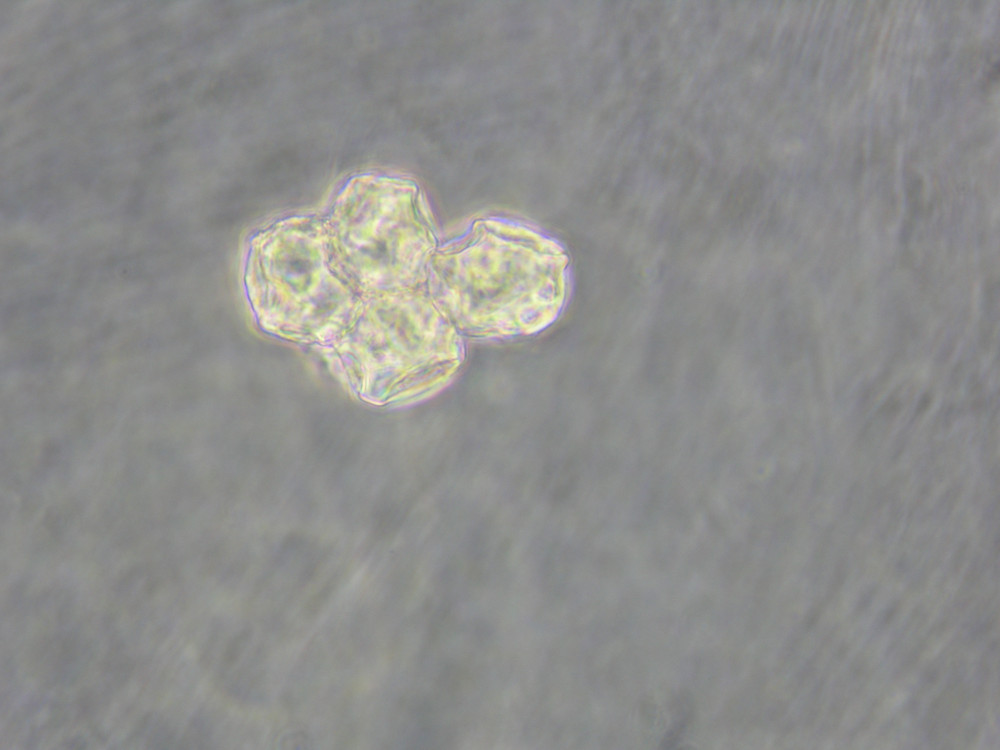
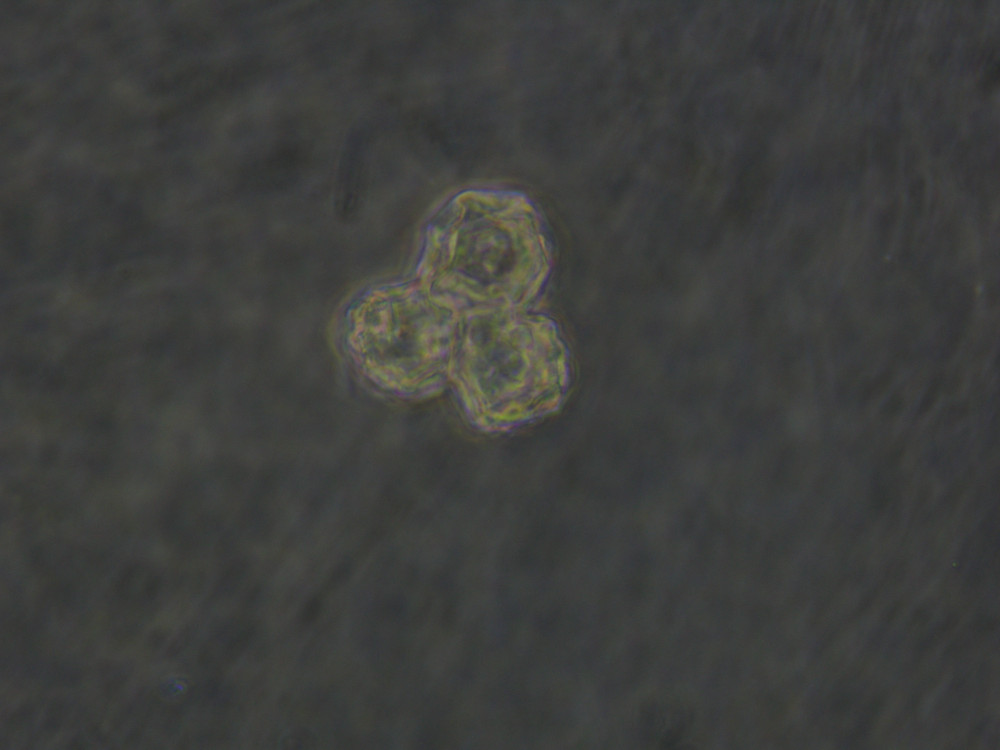
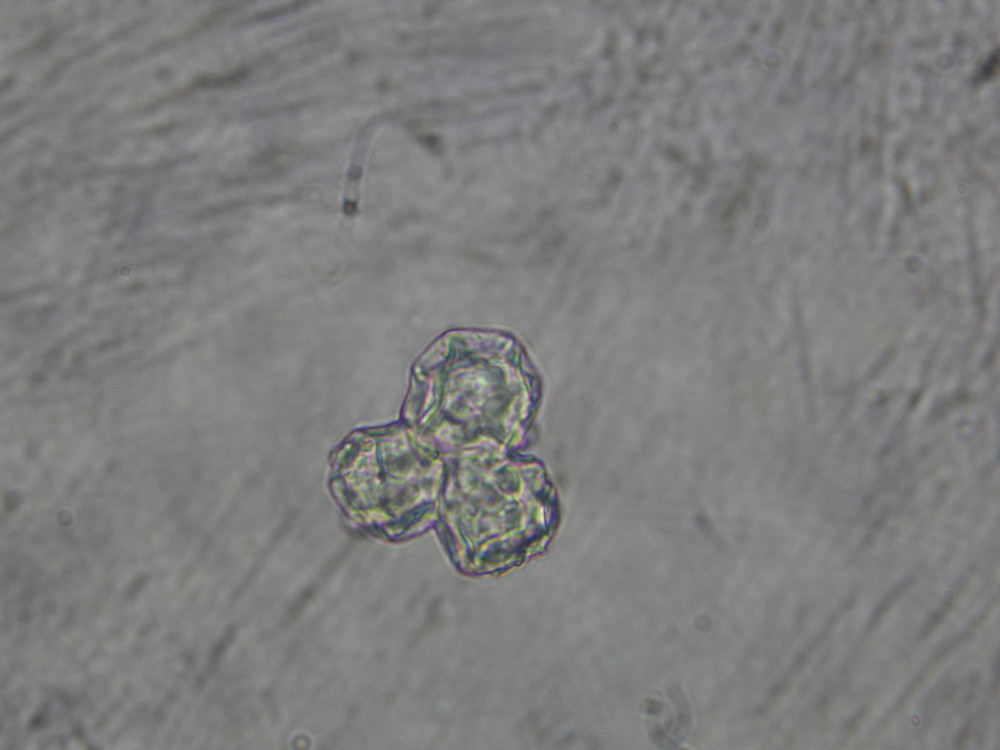
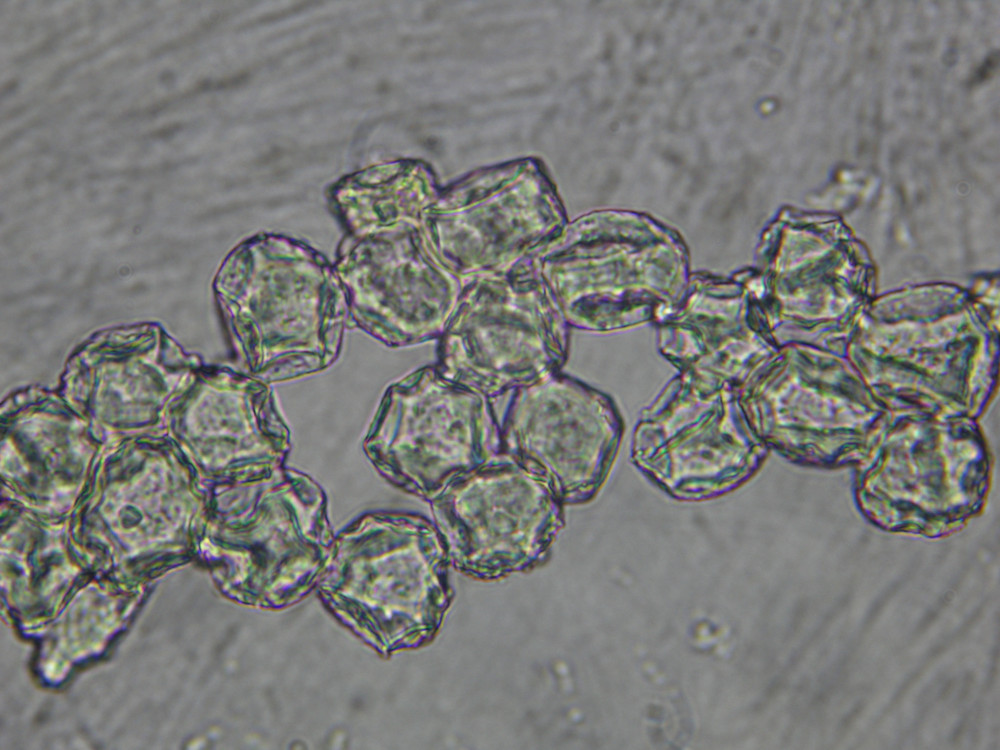
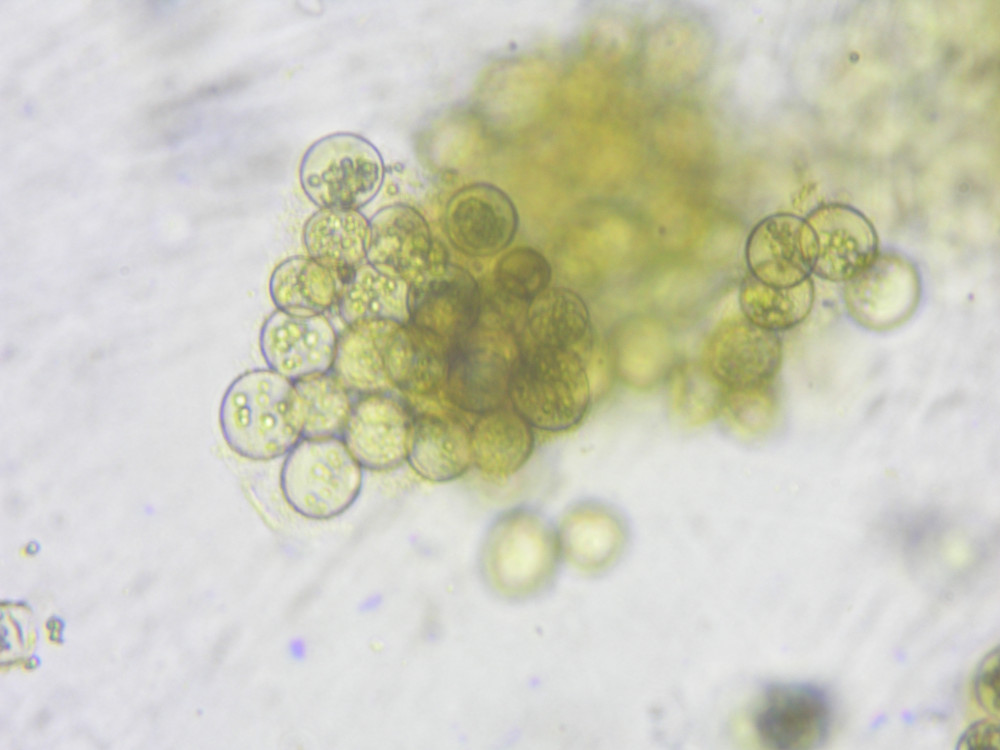
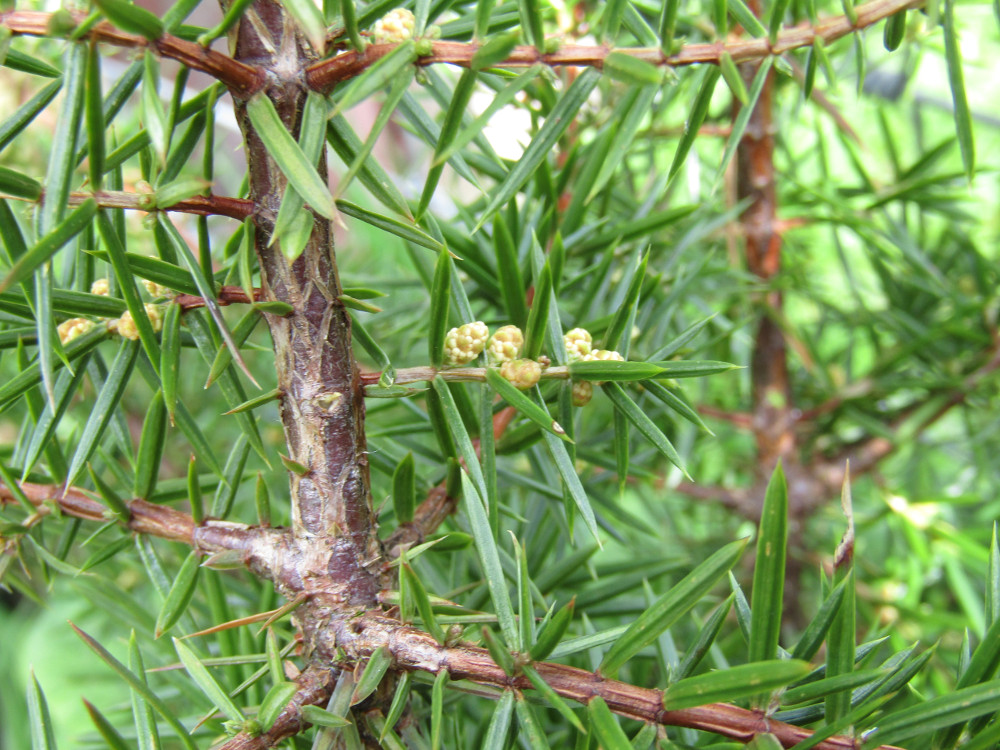
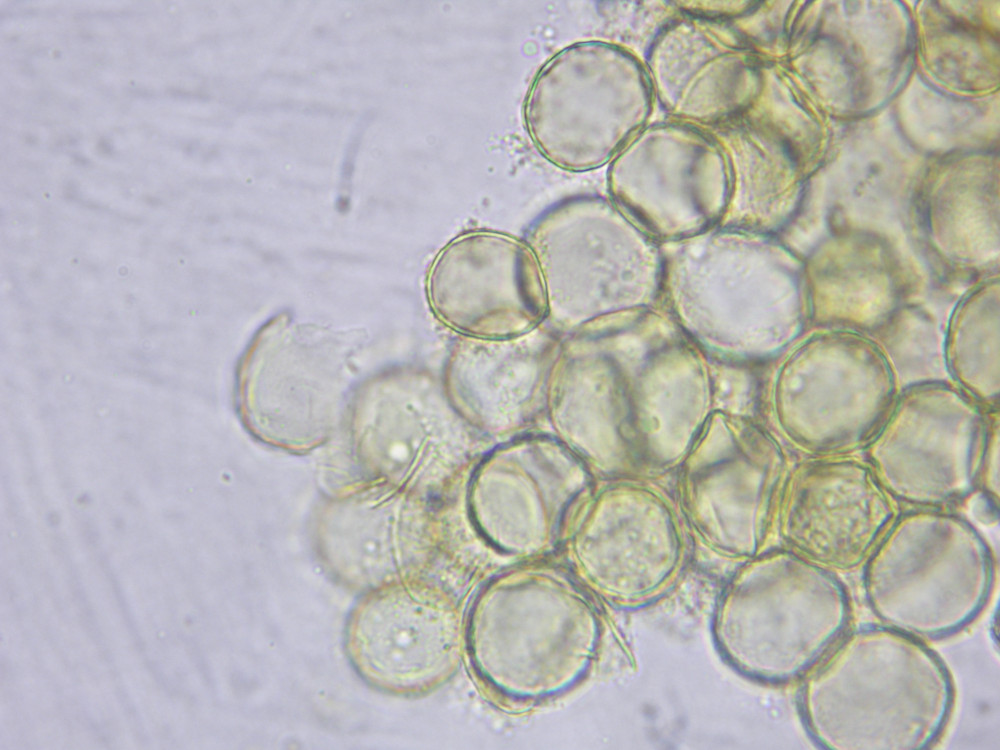
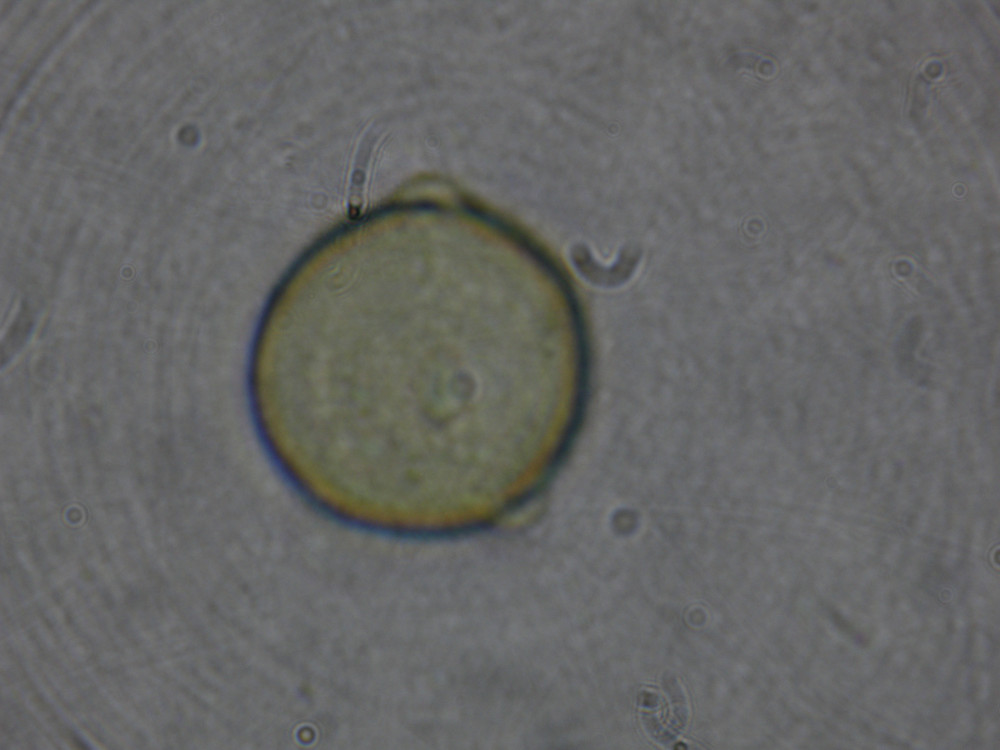
The pollen used for these photographs was obtained from young (four year old) cultivated Juniperus communis trees.

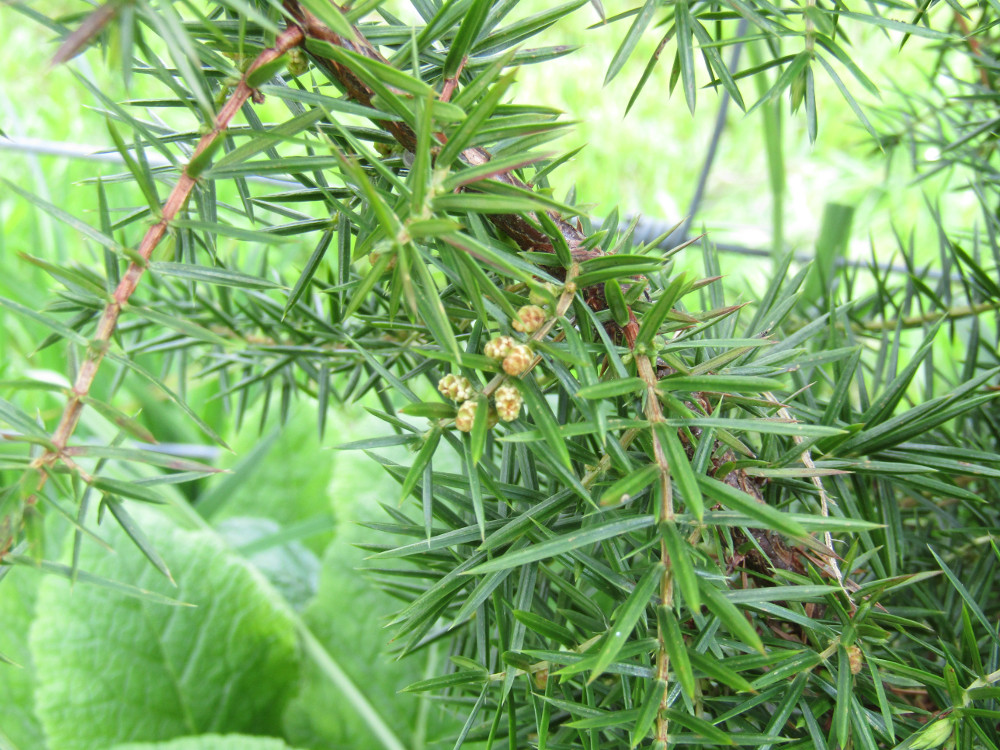
Juniperus communis occurs as a native acoss a large part of the globe. Being a conifer it is very tolerant of dry conditions, whether at high or low latitudes, and is also of both high and low temperatures. It does not grow when shaded and so does not occur in an average woodland environment.

The plant is dioecious, with male flowers occurring on separate individual plants to the female flowers and fruit. Male flowers have the appearance of small cones in the angle of sideshoots and produce profuse amounts of pollen. The pollen grains are generally circular and between 15 to 20 microns across; as fresh grains they are quite indented and folded. The grains hydrate easily and burst open easily. As fossils they most often appear as two parts of a burst grain. The pollen grains are inaperturate; however, when they hydrate the cytoplasm can be seen to be bulging out through the exine at specific points, as if there were pores, prior to the grain bursting.

As a tree J. communis will only grow if not shaded and can be found on open hillsides in a variety of environments such as tundra (Scandinavia), exposed rocky seashores (Western Ireland), chalk downland (Southern England), and open rocky hillsides (maquis) of the mediterranean region.
  • Pollen
  • Spores
  • Diatoms
  • Pollen Facts
  • Pollen Genera
  • Acer
  • Achillea
  • Ajuga
  • Alnus
  • Arbutus
  • Asteraceae
  • Betula
  • Carex
  • Carpinus
  • Corylus
  • Cratagus
  • Epilobium
  • Fagus
  • Fraxinus
  • Ilex
  • Juniperus
  • Larix
  • Myrica
  • Picea
  • Pinus
  • Plantago
  • Poaceae
  • Prunus
  • Quercus
  • Salix
  • Taraxacum
  • Taxus
  • Tripleurospermum
  • Ulex
  • Ulmus
  • Umbellifer
  • Urtica
  • Unidentified
  • Bracken (Pteridium aquilinum)
  • Male Fern
  • Polypody
  • (Blechnum spicant)
  • Lady Fern
  • To be added
  • Diatom facts
  • Diatom genera
  • Achnanthidium
  • Amphora
  • Aulacoseira
  • Brachysira
  • Caloneis
  • Cavinula
  • Cocconeis
  • Cyclotella
  • Cymbella
  • Cymbopleura
  • Encyonema
  • Epithemia
  • Eunotia
  • Fragilaria
  • Frustulia
  • Geissleria
  • Gomphonema
  • Halamphora
  • Hannaea
  • Mayamaea
  • Meridion
  • Navicula
  • Naviculadicta
  • Nitzschia
  • Pinnularia
  • Planothidium
  • Pseudopodosira
  • Pseudostaurosira
  • Reimeria
  • Rhopalodia
  • Sellaphora
  • Stauroforma
  • Stauroneis
  • Staurosira
  • Surirella
  • Tabellaria
  • Tabularia
  • Ulnaria
  • Unidentified

Copyright © 2020 - All Rights Reserved - www.westcorkpalaeo.com

All images copyright © WestCorkPalaeo / Robin Lewando

Template by OS Templates